
Shoushan is a soft, clay-rich stone from near Fuzhou in Fujian, China. It is sold in the trade as soapstone, and it is not a hard gem.
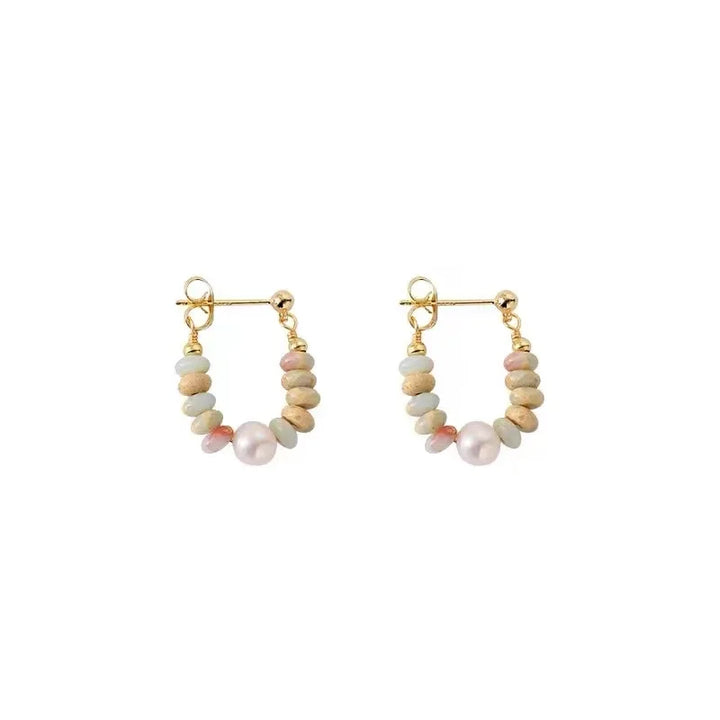
See it as
Clay-type rock (pyrophyllite and dickite, with other clay minerals) · Agalmatolite
Shoushan
Piedra Shoushan
- Palette
- Multicolor Yellow Orange Red White
- Mined in
- China
- Hardness
- Mohs 2.0–3.0 ?
- See-through
- translucent
- Known since
- Southern dynasties
- Named for
- Shoushan village in northern Fujian, China, where it is mined
- Also sold as
- Shoushan Stone, Shoushan stone, soapstone (trade term)
- Intention
- Abundance
- Looking for
- Creativity Prosperity
- Water
- Keep it dry; wipe with a soft cloth
- Dye or finish
- Not enough is documented for beads. Some carved Shoushan pieces have been oiled to deepen the color, and sellers should say if beads are dyed or oiled.
In our pieces · 2See the 2 pieces ↓
3 DESIGNERS
For the Yongzheng Emperor's imperial seal, three people each designed an inscription, and the emperor revised the thickness and structure of the strokes himself.
What it is
A soft, fine-grained, clay-rich metamorphic rock colored by minor minerals, from hills near Shoushan village in Jin'an District, Fuzhou, Fujian. It is not a hard gem: it is mostly pyrophyllite and dickite and is soft enough to carve with hand tools.
What gives it its color
The warm yellows, oranges and reds come from small amounts of other minerals mixed into the soft clay-rich rock; some carved pieces have also been oiled to deepen the color.
Where it comes from
It is mined around Shoushan village in Jin'an District, Fuzhou, in Fujian, China; the prized tianhuang variety came from a deposit that is now exhausted.
In history
Shoushan stone is quarried near Shoushan village in the mountains of Fuzhou, Fujian, and carvings from it were prized as tribute to the imperial court during the Ming and Qing dynasties. The Yongzheng Emperor (reigned 1722 to 1735) liked it so much that most of his seals were made of it, and the Palace Museum in Beijing holds about 2,000 Shoushan works.
What's said about it
In Chinese tradition, it is the classic seal stone, carved into seals engraved with a person's name. Carvers have worked it since the Song dynasty.
People today keep it as a small piece of that carving heritage. Wear it gently, away from hard knocks.
How people wear or keep it: On the wrist, on a desk, or in a pocket.
In crystal practice
Day to day, the same tradition suggests keeping it close: on the wrist, on a desk, in a pocket. People reach for it when they want creativity, prosperity, and many set an intention when they put it on. Most practitioners cleanse a new stone first (running water only if the stone can take it, otherwise smoke or moonlight) and set it aside now and then to rest.
These are beliefs people have held and still hold about the stone, reported as such. Nothing here is a promise or a medical claim. We sell stones as jewelry, not for these effects.
Associations
Also calledShoushan Stone, Shoushan stone, soapstone (trade term)
Care
- Very soft: it scratches and chips easily, so wear it where it will not knock against hard objects.
- Wipe with a soft dry or barely damp cloth; never soak.
- Avoid ultrasonic cleaners, acids and household chemicals.
- Keep away from heat and strong sun, which can dull dye or oil finishes.
- Store wrapped separately from harder stones.
How to tell what you have
- Shoushan is a soft clay-type stone made mostly of pyrophyllite and dickite, about 2 to 3 on the Mohs scale, so a steel point or even a fingernail can mark it.
- The name is used loosely across the trade, so color and pattern vary from lot to lot.
- It is sold as a stone for carving and beads, not as a gem.
Related stones
SoapstonePyrophyllite
Questions people ask at our table
What is Shoushan stone?
A clay-rich rock, mainly pyrophyllite and dickite, from near Shoushan village by Fuzhou in Fujian, China. It is sold in the trade as soapstone.
Why is it famous?
It is regarded as the classic Chinese seal stone, soft enough to carve but able to hold fine detail. Carving is documented from the Song dynasty onward.
How hard is it?
About Mohs 2 to 3, so it scratches and chips easily and suits careful wear.
How do I care for it?
Wipe with a soft dry or barely damp cloth, avoid soaking and chemicals, and store it away from harder stones.


Stay in the loop
Sign up to hear about new product drops, upcoming events, and the latest from Peritik. No spam, just the good stuff.